
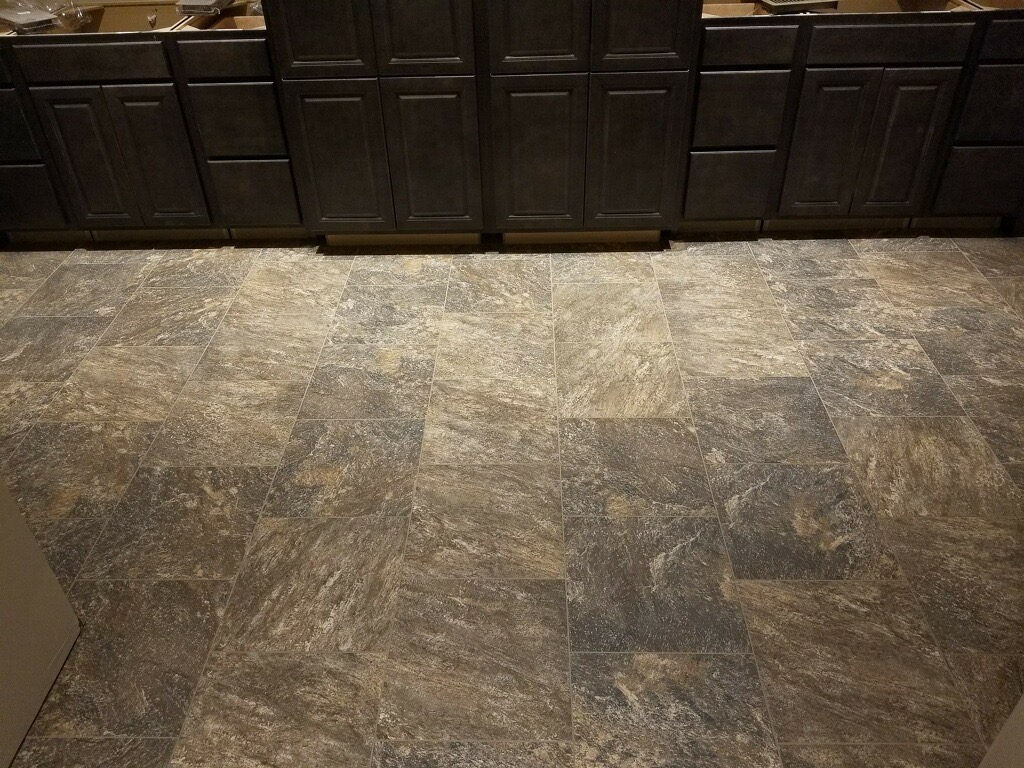
Short answer: for most kitchens, the best tile is porcelain. It absorbs very little water, holds up to heavy traffic and dropped pans, and comes in wood, stone and concrete looks. Pick a tile rated for floor use, with a slip-resistant (matte or lightly textured) finish, and plan on a stain-resistant grout. Ceramic works in lighter-use kitchens, and natural stone is beautiful but needs more upkeep.
What makes a tile a good kitchen floor?
A kitchen floor takes spills, grease, foot traffic and the occasional dropped pot. When you compare tiles, look at these five things:
- Material: porcelain, ceramic, or natural stone.
- Water absorption: the lower the better for a room with a sink and dishwasher.
- Durability rating: make sure the tile is rated for floors, not just walls.
- Slip resistance: especially if the floor will be wet.
- Grout and size: these affect how easy the floor is to clean.
Porcelain vs. ceramic vs. natural stone for kitchen floors
| Tile type | Best for | Watch out for |
|---|---|---|
| Porcelain | Busy family kitchens, wood-look and stone-look tile, floors near doors and sinks | Hard and cool underfoot; heavier to install |
| Ceramic | Lighter-use kitchens and walls or backsplashes, budget-conscious projects | Generally softer and more porous than porcelain; check that it is rated for floors |
| Natural stone (slate, travertine, marble, granite) | A one-of-a-kind look | Most stone needs periodic sealing and can stain or etch from acidic spills |
Porcelain: the safest all-around choice
Porcelain is made from denser clay fired at higher temperatures. Under the ANSI A137.1 standard, a tile is classed as porcelain (impervious) when it absorbs 0.5% water or less, and many porcelain spec sheets list that figure.1 In a kitchen, that low absorption is the reason porcelain resists stains and moisture better than most other tile. Many porcelain lines are also rated for heavier traffic than typical residential ceramic.2
Ceramic: fine if it is rated for floors
Ceramic tile is often more affordable and easier to cut, and plenty of ceramic is made for floors. It tends to be softer and more porous than porcelain, so it is better suited to lower-traffic kitchens. If you are looking at ceramic, confirm the manufacturer rates it for floor use.
Natural stone: gorgeous, higher maintenance
Slate and travertine give a kitchen real character. The trade-off is upkeep: stone usually needs sealing, and acidic spills such as wine, citrus and vinegar can mark softer stones. If you love the look but not the maintenance, a stone-look porcelain gives you the style with less work.
What to check on the tile box or spec sheet
- Floor rating. Make sure the tile is rated for floors. Guides generally suggest a PEI 3 or 4 rating as a minimum for kitchens, with lower ratings meant for walls or lighter use.2 The PEI scale is a manufacturer-reported abrasion rating, so ask your installer to confirm it for the specific tile.
- Slip resistance (DCOF). The tile industry measures slip resistance with the DCOF test. Manufacturer literature commonly cites a wet DCOF of 0.42 or higher for interior floors walked on when wet.1 The same sheets caution that a number alone does not make a tile right for every wet area, so the finish matters too.
- Finish. Matte or lightly textured finishes give more grip than high-polish ones, which can get slick when wet.
- Water absorption. For kitchens, lower is better. Porcelain's 0.5% or less is the benchmark.1
Tile size, shape and grout
Grout is where most kitchen tile floors get dirty, so it is worth planning around:
- Larger tiles mean fewer grout lines. That makes cleaning easier. See our guides to large-format tile and choosing tile size and shape.
- Choose a grout color that hides dirt. Light grout in a heavy-traffic kitchen stains more easily, so a mid-tone is often the practical pick.
- Consider epoxy grout. It is less porous and easier to clean than standard cement-based grout.2 Cement-based grout generally needs periodic sealing.
- Wood-look planks and rectified tile. These allow tight grout joints and a floor that looks like hardwood without the water concerns.
Popular kitchen tile looks
- Wood-look porcelain plank: the warmth of hardwood with tile's water resistance.
- Stone- and slate-look porcelain: natural texture with less maintenance than real stone.
- Concrete- and cement-look tile: a modern, low-key look that pairs well with white or wood cabinets.
- Large-format neutral tile: a clean look with minimal grout lines.
The downsides of tile in a kitchen
We would rather you know before you buy:
- It is hard. Standing for long periods is tougher on your feet and back, and dropped dishes are more likely to break.
- It is cool underfoot. Many homeowners add area rugs or anti-fatigue mats at the sink and stove.
- Grout needs care. It stays clean longer with sealing (where needed) and regular cleaning.
- Installation matters. Tile needs a flat, stable subfloor. A poor substrate is a common reason tile cracks.
If you want something softer and warmer that is still waterproof, luxury vinyl plank is a strong alternative. We compare the options on our kitchen flooring page.
How to care for a tile kitchen floor
- Sweep or vacuum regularly so grit does not scratch the surface or settle into grout.
- Mop with a pH-neutral cleaner suited to your tile, and rinse so no residue builds up.
- Wipe up spills, especially oil, wine and coffee, before they sit on grout.
- Reseal grout and natural stone as the manufacturer recommends.
- Avoid harsh acids or abrasive pads on natural stone and polished tile.
For more cleaning detail, see our tile floor maintenance tips.
Frequently asked questions
What is the best tile for kitchen flooring?
For most homes, porcelain tile with a matte or lightly textured finish. It is dense, resists water and stains, and comes in many styles.
Is porcelain or ceramic better for a kitchen floor?
Porcelain is usually the better choice for floors because it is denser and absorbs less water. Ceramic can work in lower-traffic kitchens if it is rated for floor use.
What size tile is best for a kitchen floor?
Larger tiles mean fewer grout lines and easier cleaning, but the best size depends on your room, layout and subfloor. Your installer can check that a large-format tile will lay flat on your floor.
Should kitchen floor tile be matte or glossy?
Matte or lightly textured is the safer choice for floors, since glossy, polished tile can be slippery when wet.
Do I need to seal grout in a kitchen?
Cement-based grout generally needs sealing and periodic resealing. Epoxy grout does not usually need it. Follow the grout manufacturer's instructions.
Is tile a good choice for kitchens with radiant floor heat?
Tile is commonly installed over radiant heating and transfers warmth well. Check that your heating system and the tile setting materials are compatible, and ask your installer to confirm before you buy.
Get help choosing your kitchen tile
Bring a photo of your kitchen and we will help you compare tile samples in person. Request a free estimate or call Kelly's Flooring at (636) 677-5555. We are a family-owned flooring store at 2311 Little Antire Rd in High Ridge, Missouri, serving the St. Louis area since 1978. You can see more on our tile flooring page.
Sources and method
- ANSI A137.1 porcelain absorption (0.5% or less, tested per ASTM C373) and the wet DCOF 0.42 figure as cited in manufacturer technical data sheets, for example Roca Tile USA, "Borneo Chevron Technical Specifications." These are manufacturer documents that reference the standards; check the current ANSI A137.1 text for exact requirements. rocatileusa.com
- HGTV, "Porcelain vs. Ceramic Tile: What's the Difference?" cited for general porcelain and ceramic comparison and typical PEI guidance. PEI ratings are reported by manufacturers and different guides describe the scale slightly differently. hgtv.com
- Material recommendations and downsides reflect Kelly's Flooring's installation experience in the St. Louis area and are general guidance. Always follow the tile and setting-material manufacturers' instructions.
Ready to Get Started?
Contact Kelly's Flooring for a no-obligation estimate on your flooring project.