
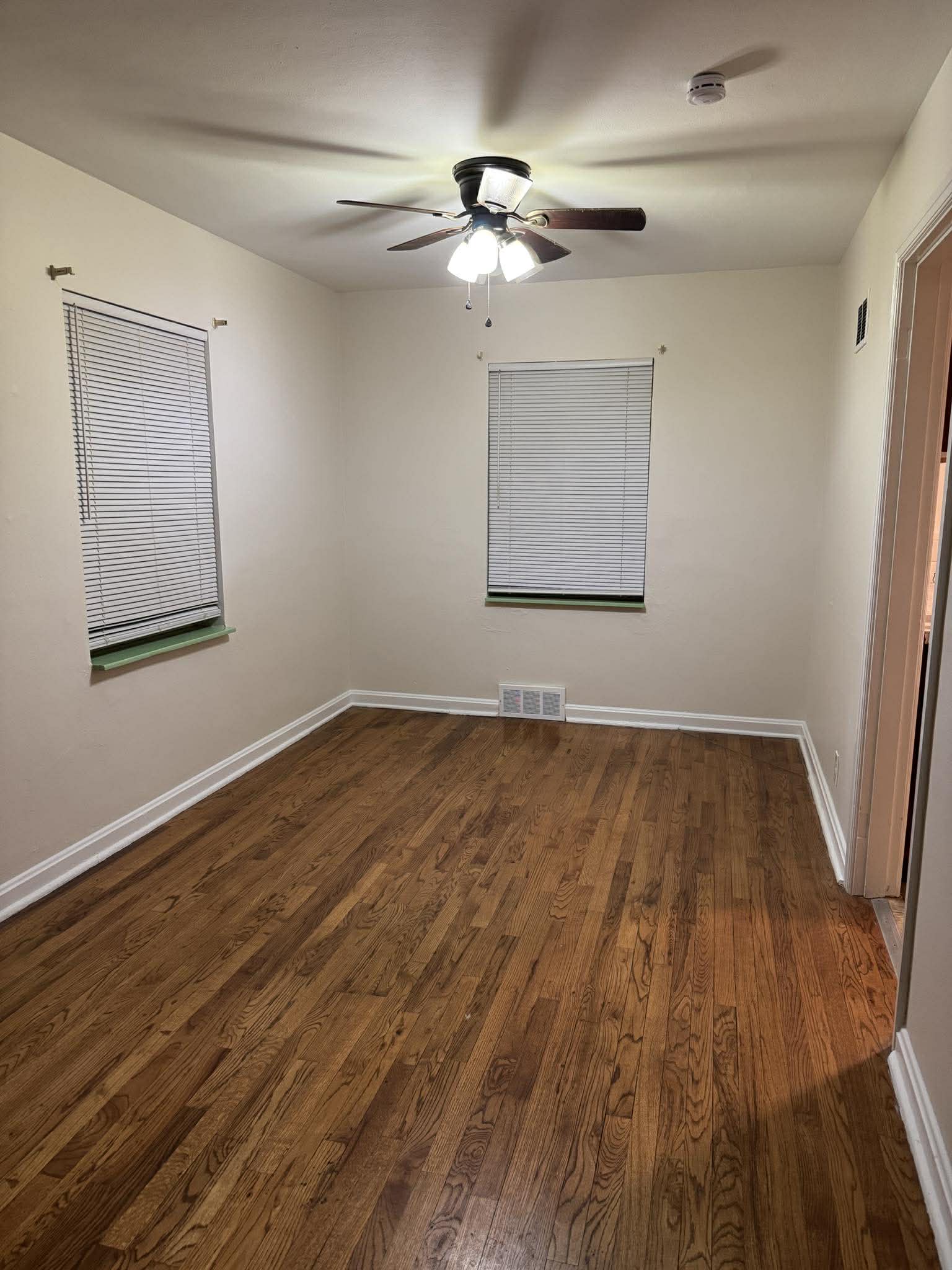
Short answer: there is no single best hardwood floor color. Medium tones, natural oak and soft honey shades are the most forgiving because they hide dust and small scratches well. Light and whitewashed floors make rooms feel open and bright, and gray is a neutral middle ground. Dark floors look dramatic but show dust and scratches more, so they suit homes that can keep up with cleaning. Pick your color by the light in the room, your lifestyle and your decor, and always judge it with real samples in your own home.
Popular hardwood floor colors compared
| Color family | Look and feel | Good to know |
|---|---|---|
| Light and natural (blonde, natural maple or oak, whitewashed) | Bright, airy, can make a room feel larger | Hides dust and debris well, and pairs nicely with a matte finish for busy households12 |
| Medium and honey (natural oak, golden brown, honey) | Warm and classic, goes with many styles | Usually hides dust and small marks better than very pale or very dark floors2 |
| Gray and greige | Cool, modern and neutral | Often described as forgiving with dirt and scratches compared with very light or very dark tones2 |
| Dark brown and espresso | Rich, dramatic, formal | Shows dust and scratches more readily, so plan on more frequent cleaning2 |
Natural wood color by species
The wood you choose sets the starting color, and it changes how a stain looks. The same stain can look different on oak and maple because of their base color and how they absorb stain.2
- Oak: prominent grain, takes stain well, and is available from very light to dark brown and gray tones.
- Maple: naturally light with a subtle grain. Dark stains can look blotchy on it, so maple often stays light or medium.
- Hickory: a wide natural color range from light blonde to dark brown with a bold grain. It is a hard, durable wood that suits busy households.
- Walnut: deep brown straight off the board, so it often needs little or no stain.
Some species, including hickory and maple, are mildly light-sensitive, so their color can shift over time in sunny rooms.2 For more on species and styles, see our guide to engineered wood flooring styles and our hardwood flooring page.
How to choose a hardwood floor color
- Start with the light in the room. Bright, sunny rooms can handle darker floors, while small or dim rooms often look larger and brighter with lighter floors. Check how much natural light the room gets before choosing a very dark color.2
- Think about your daily life. Kids, pets and a busy household usually do better with a light or medium floor, ideally with a matte or satin finish. Dark, glossy floors show every speck and scratch.1
- Check the undertone. Look at whether the floor reads warm (red, yellow, orange) or cool (gray, brown-gray). Compare it with your walls, cabinets, trim and furniture so they work together instead of clashing.3
- Choose the sheen. Glossy finishes reflect light and make dark colors look deeper, but they also highlight scratches and dust. Matte and satin finishes hide wear better and reduce glare.2
- Test real samples at home. Colors change under daylight, evening light and artificial light, so view samples at different times of day, side by side, and against your actual walls and cabinets.3
What dark hardwood floors need
Dark floors can be stunning, especially in bedrooms and formal rooms, and we have refinished dark floors in St. Louis homes. Because they show dust, footprints and scratches more, these habits help:
- Dust mop or vacuum with a hard-floor setting often. See our guide to how to clean hardwood floors.
- Use felt pads under furniture and mats at doors to cut down on scratches.
- Choose a satin or matte finish instead of high gloss.
- Know how to treat marks, with our guide to wood floor scratch repair.
You can see a dark refinished bedroom floor from one of our St. Louis projects in our project gallery.
Can you change the color of hardwood floors?
Often, yes. Solid hardwood can be sanded and refinished multiple times, so you can switch to a new stain color when you refinish. That makes color a less permanent choice than it seems. A few things to know:
- Going darker is easier than going lighter. A stain can darken a floor, while lightening a floor usually means sanding down to fresh wood.
- Engineered hardwood has limits. It has a thin top layer of real wood, and how many times it can be sanded depends on that layer. Ask before you plan a color change.
- The species still shows through. Stain changes the color, but the wood's grain and base tone affect the final look.
Our guides explain whether you need a recoat or a full refinish and how to tell when your floors need refinishing. You can also see our hardwood refinishing service.
Frequently asked questions
What is the most popular hardwood floor color?
Natural and medium tones such as oak and honey are popular because they suit many styles, hide wear well and blend with most decor. Light and gray tones are also common, and dark floors are popular for a dramatic look.
What hardwood floor color hides dirt best?
Medium brown, natural oak and soft honey tones usually hide dust and small marks better than very pale or very dark floors.2 A matte or satin finish helps too.
Are dark hardwood floors hard to keep clean?
They show dust, lint and scratches more, so they need more frequent dusting and vacuuming. They are not harder to care for in other ways.
Do light hardwood floors make a room look bigger?
They can. Light oak and maple floors create a bright, open feel, which helps in small or dim rooms.2
Can you change hardwood floor color later?
Solid hardwood can usually be sanded and restained in a new color when you refinish. Engineered hardwood depends on the thickness of its wear layer, so ask a professional first.
What color hardwood floor is best for pets and kids?
Lighter or medium floors with a matte finish are usually the easiest to live with, because they hide scratches and pet hair better than dark glossy floors.1
How do I choose a hardwood floor color that matches my walls and cabinets?
Compare the floor's undertone (warm or cool) with your walls, cabinets and trim using large samples at home in different light.3
Choose your hardwood color with help
We bring samples to your home so you can see colors in your own light. Request a free estimate or call Kelly's Flooring at (636) 677-5555. We are a family-owned flooring store at 2311 Little Antire Rd in High Ridge, Missouri, serving the St. Louis area since 1978.
Sources and method
- Bruce, "How to Choose a Hardwood Flooring Color," a manufacturer guide on choosing colors to match your lifestyle, including matte finishes for active households. bruce.com
- Homedit, "A Guide to Hardwood Floor Colors," a design guide on color families, species, dust and scratch visibility, sheen and room size. homedit.com
- Rustic Wood Floor Supply, "Quick Guide: How to Choose Hardwood Floor Color," a retailer guide on undertones and testing samples. rusticwoodfloorsupply.com
- These are manufacturer, design and retailer guides, not independent testing, and they describe general tendencies. How a color looks depends on the wood, the stain, the finish and your lighting, so always view samples in your own home.
Ready to Get Started?
Contact Kelly's Flooring for a no-obligation estimate on your flooring project.